
Exploring the Best 3D Animation Software for Creators
Explore the best 3D animation software for creators. Compare top tools, features, rendering capabilities, modeling, visual effects, motion graphics, and solutions for beginners and professional animators.
TECHNOLOGY
6/29/20264 min read
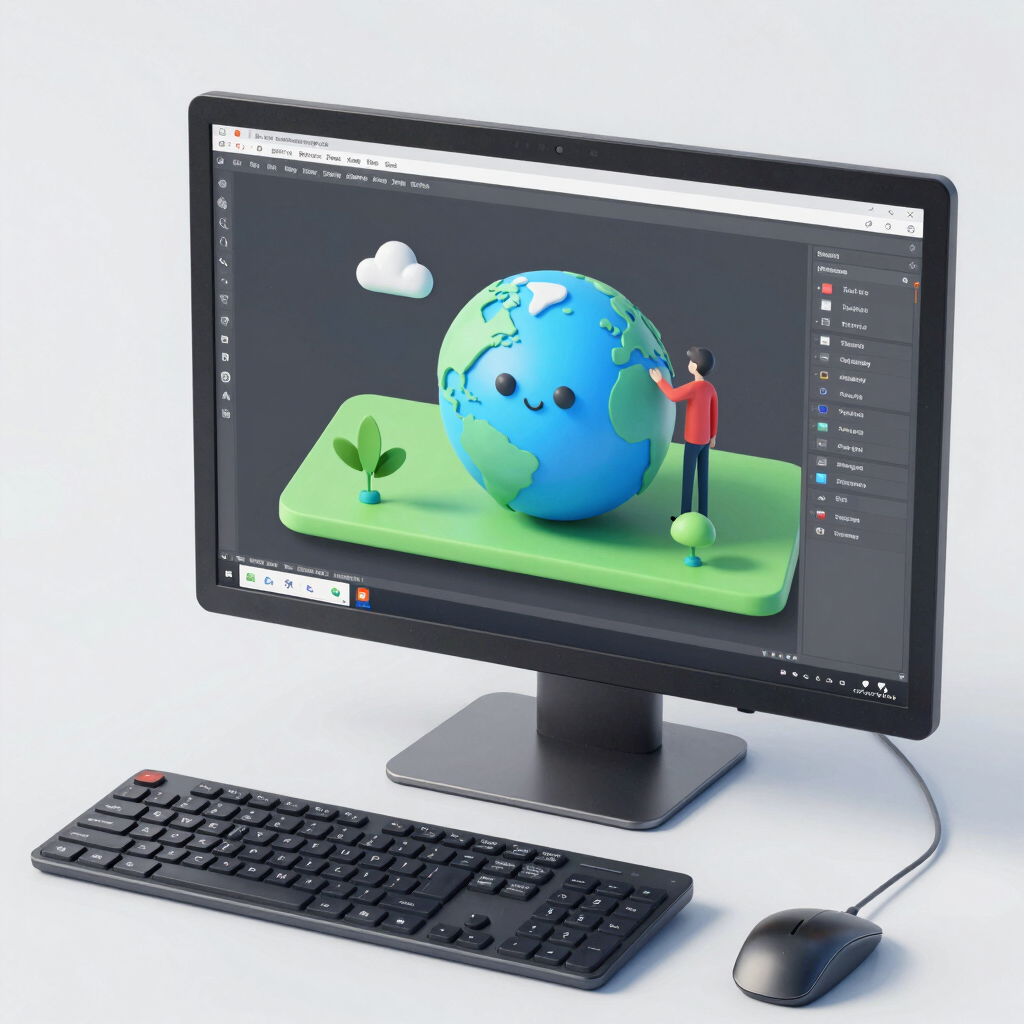
The Ultimate 2026 Guide to 3D Animation Software
Hello there, fellow makers! If you’ve ever seen a Pixar film, played a current video game or seen mind-blowing visual effects in a Hollywood blockbuster and gone “I want to make stuff like that” then you’re already halfway into the realm of 3D animation software. Whether you are a total newbie dreaming of your first short film or a seasoned veteran doing client work, selecting the correct 3D animation software might be the difference between a good workflow and a bad one.
I’ve tested out numerous tools for years and now I’m laying down all you need to know. From sophisticated modelling capabilities to complex rigging and rendering, let’s dig into the greatest alternatives for 3D animation software right now.
What Do You Mean by 3D Animation Software?
At its heart, 3D animation software is a digital toolkit that allows artists to create, animate and bring to life three-dimensional objects and characters. These tools can do anything from sculpting precise models to modelling realistic dynamics and lighting, which standard 2D animation can't.
You’ll hear a lot about 3D modelling, character rigging, keyframe animation and rendering engine — and for good cause. Modern 3D animation software now supports sophisticated particle systems, physics simulation, motion capture, and even real-time workflows, making it an ideal fit for game development, film production, VR integration, and AR experiences.
Best 3D Animation Software You Should Know
Now let’s speak about the big hitters. Here are the most common applications 3D artists use on a daily basis:
Blender is one of the most popular free 3D animation programs It’s 100% open source and loaded with pro tools for digital sculpting, UV mapping, texturing, shaders and ray tracing. The community surrounding Blender is great and its asset library is constantly expanding. Blender is punching much above its weight class (which is zero), whether you're performing bone animation or intricate visual effects (VFX).
And then you have Autodesk Maya which is the industry standard for many studios. Maya is adept at character animation, rigging, and large-scale projects. Its powerful timeline editor and compatibility with other Autodesk products make it a favourite for feature films and high-end CGI.
It is popular due of its easy UI and motion graphics capabilities. If you’re into dynamic lighting effects, procedural modelling or fast iterations, this 3D animation software is a breath of new air.
And don’t sleep on Houdini either. It’s a beast when it comes to particle systems, physics simulation and procedural generation – great for mind-blowing destruction sequences or environmental effects.
3ds Max is still going strong, particularly for architecture visualisation and creating game assets, and ZBrush is the king of digital sculpting in extreme detail before you go into full animation.
In real-time contexts, Unity and Unreal Engine provide excellent built-in 3D animation software capabilities. They are great for real-time rendering in interactive projects.
Features to Look for in 3D Animation Software
When examining 3D animation software, look for the following features:
- Advanced rigging and skinning tools for natural character movement
- Powerful rendering choices (CPU and GPU based)
- Support for importing motion capture data
- Extensive library of textures and materials
- Collaboration tools for team projects
- Flexible export formats that play well with pipelines
- Timeline editor built-in with simple keyframe animation
- Cloth, hair, fluids and crowds simulation tools
AI-assisted features are increasingly common in many applications, speeding up repetitive jobs such as auto-rigging or smart retopology. This is a game-changer for individual 3D artists as well as for large companies.
Why Investing in Good 3D Animation Software is Important
Professional 3D animation software is more than simply gorgeous pictures—it’s about efficiency and creative flexibility. The correct tool helps you concentrate on the narrative, not battling technological limits.
When you’re making visual effects for commercials, producing assets for game development, or trying out VR integration, good 3D animation software helps you get polished results, quicker. And mastering industry-standard tools can drastically improve your employment chances. Clients and studios are always looking for expertise with Blender, Maya, Cinema 4D and the like.
How to Get Started with 3D Animation Software
Keep it simple.
1. Download Blender and do some starting lessons on 3D Modelling and basic Keyframe Animation.
2. Begin practicing character rigging early, one of the most difficult yet rewarding talents.
3. Play around with various rendering engine settings to find out about lighting and shaders.
4. Join online groups. The input you will get on forums and Discord groups is crucial.
5. Make a modest portfolio including digital sculpting, particle systems and final animations.
Also, feel free to mix and match tools. Many professional artists utilise ZBrush to sculpt , Maya for animation , and Unreal Engine for the final presentation .
The New Future of 3D Animation Software
The industry is moving at pace. We’re seeing more real-time rendering, improved VR integration, and AI technologies that take care of the tiresome elements of the workflow. Traditional technologies are adding strong new simulation capabilities, while Unreal Engine and Unity continue to push the limits for interactive CGI.
Wherever technology goes, one thing is certain: superb 3D animation software lets artists make crazy ideas come to life.
Let's Get Started
If you're serious about 3D there's never been a better moment to get in. Try out a few 3D animation software alternatives to select one that fits your style and budget, then start creating. Whether it’s 3D modelling for fun side projects or comprehensive film production processes, the tools are more accessible than they’ve ever been.
What is your favourite 3D animation software nowadays? Would love to know what you’re working on and what tools help bring your dreams to life, drop a comment below. Enjoy the animation!
Join our community and stay connected through our social channels.
© 2026. All rights reserved.