
Optimizing Business Process Management in the Telecom Industry
Optimize business process management in the telecom industry. Learn strategies to improve operational efficiency, workflow automation, customer experience, network performance, and digital transformation.
INSIGHTS
6/23/20265 min read
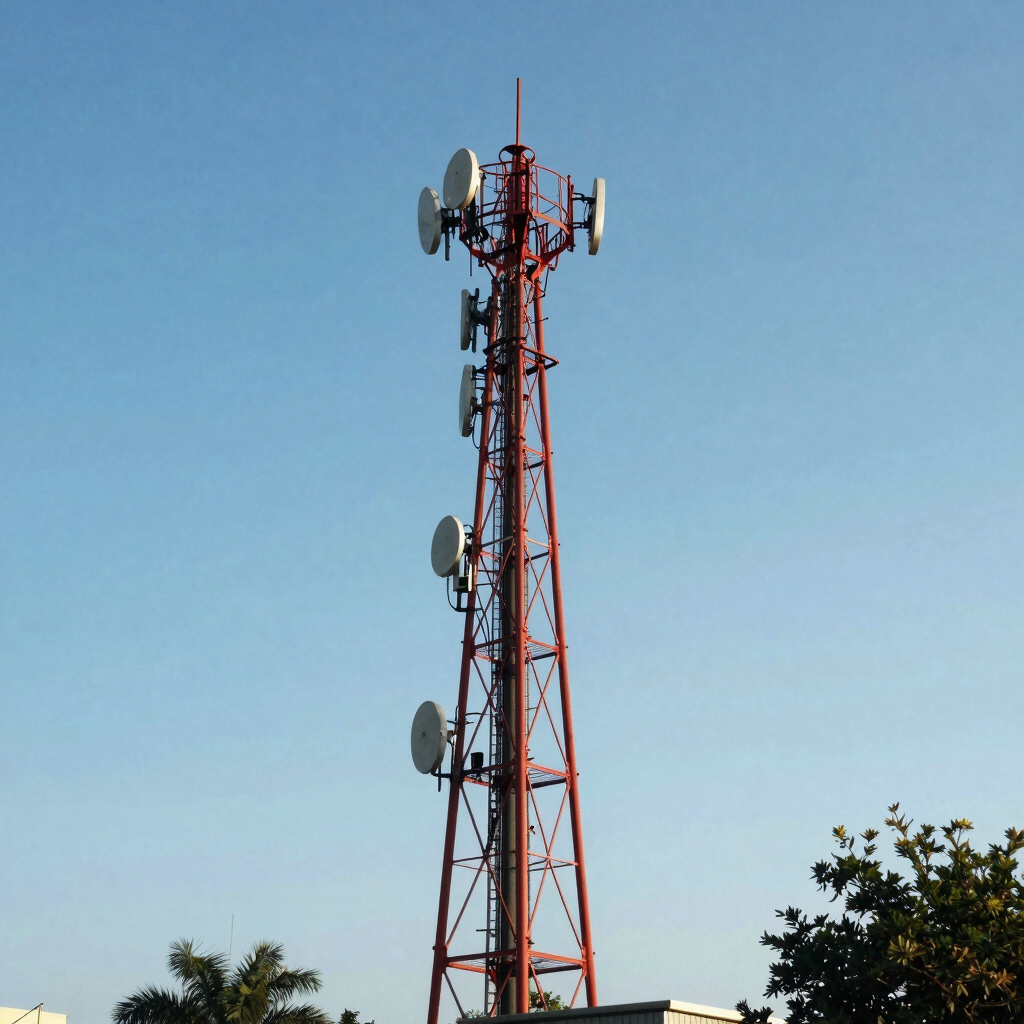
Telecom Business Process Management – Powering Efficiency in a Hyper-Connected World
The telecom industry is growing at a breakneck speed. From rolling out 5G networks to handling millions of client requests every day, operators are always looking to enhance service and cut costs. And that’s where telecom business process management methods come into play. Good BPM will take intricate and fragmented operations and create smooth, efficient, customer-centric processes in the telecom business.
If you operate in telecommunications, whether you’re a mobile network operator, a broadband provider or a convergent service organization, you will have felt the agony of the old methods. In this article we’ll take a look at how business process management telecom industry strategies are bringing real-world advantages, driving operational efficiency and raising customer satisfaction across the board.
What is BPM in Telecome?
Business process management telecom sector in essence is the systematic method towards design, implementation, administration and improvement of business processes in telecommunication industry. However, telecom specialised solutions have to tackle a variety of specific issues not seen in standard BPM such as real-time network operations, massive data volumes, regulatory compliance and fast technical development.
It is the glue between front office consumer interactions and back office systems. Modern telecom sector business process management systems that blend OSS and BSS give end-to-end information.
Effective service delivery, fault management, billing and revenue assurance more vital than ever for the telecom industry “This includes efficient service delivery, fault management, billing and revenue assurance”
Why the Telecom Industry Needs Strong BPM Now More Than Ever
The world of telecom is no longer the same. Customers want speedy activation, tailored solutions and touchless connectivity.” The regulatory constraints are increasing and the competition from OTT providers is increasing. This is why telecom business process management is so useful.
- Operational Efficiency: Automation may improve efficiency by eliminating human handoffs and reducing mistakes, particularly in areas like as order fulfilment and network maintenance.
- Cost Saving: Telecom organizations can save undesired expenditures by facing bottlenecks in telecom supply chain management or labor management process.
- Improved Customer Experience: Faster service delivery, proactive fault management process and improved & enhanced CRM integration results in improved customer satisfaction and lower churn rates -
- Flexibility and Scalability: Flexible BPM for 5G rollout and integration of IoT enables operators to quickly adapt to new technologies and services
Business process management telecom sector standards have yielded 20-40% improvements in process efficiency, say several operators. This results in better key metrics such as ARPU and customer lifetime value.
How BPM is changing the way telecom does business?
The top business process management projects in the telecom sector are in few high impact areas.
1. Activation and Provisioning of services 2. Automation of order to service activation process reduces time to revenue dramatically. Real-time analytics enable for lightning fast credit checks, resource allocation, setup and everything in between.
2. Network management and optimisation
Intelligent process orchestration significantly improves performance monitoring, problem management and predictive maintenance. This enables operators to diagnose problems before clients even know there is a problem.
3. Billing and Revenue Management
Process automation is highly important for telecom, use based billing, interconnection settlements and complicated pricing models. Invoicing accurately and time to time helps to prevent disputes and loss of income.
4. CRM Integration
Integrated sales, support and marketing operations provide 360 degree perspectives of the consumer. This allows users for customized marketing and proactive service efforts.
5. Risk Management and Regulatory Compliance
By using automated compliance procedures, companies may mitigate risk and audit requirements via the establishment of rigorous data governance, privacy standards and Service Level Agreements (SLAs).
Other key problems include quality assurance, telecom digital transformation initiatives, integration of corporate resource planning and supply chains cooperation between suppliers and operators.
Existing Technologies In Telecom BPM
Today’s business process management telecom sector solutions use the latest technologies:
- AI / Machine Learning: Smart routing, predictive analytics, anomaly detection for network operations.
- Cloud BPM Platforms: Accelerating scalability and implementation for mobile network operators - Robotic Process Automation (RPA): Automate repetitive operations in billing, reporting and customer data maintenance.
- Low-Code/No-Code Tools: Allow business users to design and adjust processes with little IT involvement.
- Dashboards & Real Time Analytics Process performance & real time KPIs
These technologies, together with 5G and IoT, provide intriguing new prospects for process automation in telecoms.
Common Challenges and How to Overcome Them
Implementing Business process management telecom industry is not always a bed of roses. “The biggest challenges are legacy systems, siloed departments and resistance to change. How successful companies do it:
Pilot projects on pain spots like as order processing or client onboarding.
cross-departmental cooperation and effective change management- Choosing solutions that will integrate seamlessly into the current OSS/BSS ecosystem.
- Don’t wait until the end to think about data quality and governance.
You need to balance the technology with the people and culture of the organization to obtain the advantages of process reengineering.
Success Stories: Making a Difference on the Ground
The Process Management sector telecom company is being successfully applied by the largest operators in the globe. Some services were turned on in days to hours. Others have reduced turnover by refining management of the customer experience, and by fixing problems before they become crises.
One large European carrier has deployed AI-enabled BPM to optimize its fault management process and has seen an increase in network uptime and a reduction of more than 50% in resolution time. Using telecom approaches for process optimisation, Asian operators have been able to achieve substantial client growth during 5G rollouts.
These examples prove that BPM done well is an actual competitive advantage, and not simply another IT project.
Business Process Management: Future Trends in Telecom Industry
Here are the approaches how the business process management in telecom sector will Keep developing in the future:
- Greater hyper-automation using AI, RPA and sophisticated analytics.
- Edge computing for real-time decision making for network operation.
- sustainable techniques for the optimisation of energy use in Data Centers and Base Stations.
Offer self-service to consumers and field staff.- Operators becoming become service providers, enabling further integration of IT and network operations.
The increasing use of private networks, network slicing and sophisticated IoT applications will continue to drive the need for better BPM capabilities.
Introduction of BPM in a Telecom Company
There’s no better moment to review your procedures, whether you are a big incumbent or a rapid startup. Write down everything you do today, identify the bottlenecks and search for fast wins Imagine that you are dealing with people who know telecommunications and contemporary process management approaches.
Good telecom sector business process management isn’t about replacing people with jobs, it’s about giving people better tools and clearer procedures.
Bringing it all together
In a market of constantly changing and cut-throat competition strong business process management telecom sector practices are not a choice but a necessary. The market leaders will be the businesses that know how to optimise processes, communication, automation and customer centric design.
The upside is huge: cheaper costs, happier consumers, quicker innovation and a superior competitive position. If you still have manual processes that are unconnected, it’s time to see what modern BPM can do for you.
Join our community and stay connected through our social channels.
© 2026. All rights reserved.