
Tech Giants Envision a Future Beyond Smartphones
Explore how tech giants envision a future beyond smartphones through AI wearables, augmented reality, spatial computing, smart glasses, and next-generation devices transforming the digital experience.
TECHNOLOGY
7/6/20264 min read
Big Tech Is Moving Beyond Smartphones
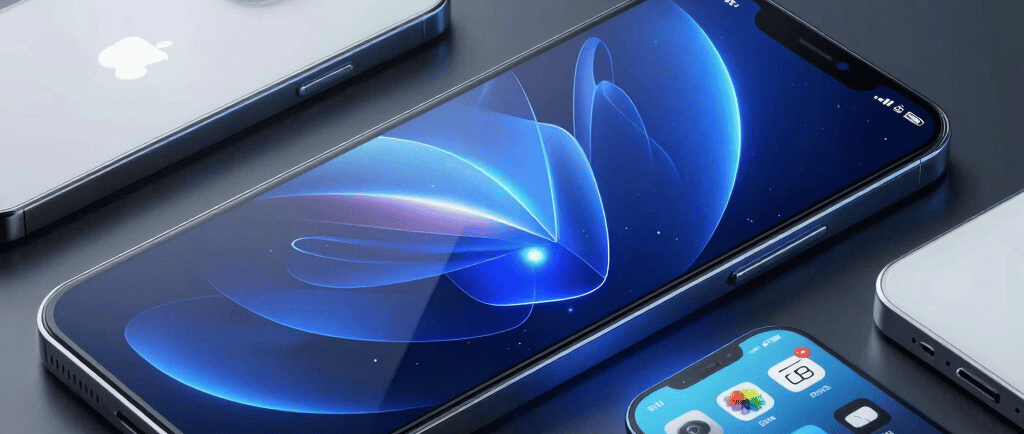
And technology moves so fast, it’s interesting. The smartphone was the device of the decade. It was something we couldn’t live without. With displays becoming larger, smarter and in some cases smaller, the industry's largest firms are already looking forward today. Tech companies are investing billions of dollars on new ways humans will engage with digital worlds, beyond smartphones, in the future. Augmented reality glasses, seamless AI companions – the next phase isn’t about replacing your phone, but going beyond the need to keep pulling it out of your pocket.
I’ve been watching these changes attentively, and the momentum is clear. Big players like Apple, Google, Meta, and Samsung, together with new entrants, are placing massive bets on wearable technology, spatial computing, and immersive experiences that combine the physical and digital realms in ways that formerly only existed in science fiction movies.
Why the Change? The Limitations of Handhelds
Smartphones have changed the way we communicate, watch entertainment and work, but they have their own limitations. You still have to hold them, gaze down at them and they produce that familiar “phone zombie” pose we’ve all fallen into. Tech titans see a future outside of smartphones because they see these limits. The aim today is ambient computing: technology that is around us and reacts instinctively, without requiring our attention all the time.
Consider extended reality (XR), which encompasses augmented reality (AR), virtual reality (VR), and mixed reality. Rather of swiping through applications, you might stroll across your living room and view digital overlays that provide real-time navigation, shopping data, or even virtual furniture layout. Meta has invested billions in the metaverse, and Apple’s Vision Pro shows the company’s dedication to spatial computing that liberates us from flat displays.
Google’s aggressive drive on AI integration with tools like Gemini that might become proactive voice assistants and personal agents. Picture an AI that gets what you need in connected ecosystems; changing your smart home, summarizing meetings or even recommending healthier habits based on biometric sensors in your clothes or watch.
Surge of Wearables and Smart Glasses
One of the most noticeable trends is toward smart glasses. This is not the fumbling attempt of years gone by. Newer prototypes are less weight and include gesture control, eye-tracking, and extensive haptic feedback. Companies are scrambling to build gadgets that can buzz you with alerts, translate spoken languages instantly, or even show important information right in your field of vision.
Samsung and other manufacturers are also exploring with foldable screens and flexible electronics that might lead to totally new form factors - potentially rollable displays or tech incorporated into clothes. This relates directly into advances in health monitoring. Tomorrow’s wearables may monitor everything from heart rhythms to stress levels, with advanced biometric sensors feeding data into sophisticated digital twins – virtual duplicates of your body that help forecast health concerns before they develop.
Tech titans see a future beyond smartphones and are betting on these next-gen interfaces. No more small keyboards or peering at maps on the go. Instead, ubiquitous computing makes technology slip into the background and become stronger.
AI, Brain-Computer Interfaces and the Human Connection
At the core of this change is artificial intelligence. We’re evolving from reactive chatbots to real intelligent systems that can do edge computing to provide you quicker, more private replies. Some businesses are even looking at brain computer interfaces and neural interfaces that would enable you control gadgets just by thinking. It seems futuristic, but early research in the domain reveals promising outcomes for accessibility and seamless interaction.”
Naturally, privacy concerns and data security are still front of mind. Tech corporations under pressure to establish trustworthy systems as they move toward more immersive and always-on technologies. Features like on-device processing and better encryption are needed for wider adoption.
Another major subject is sustainability. Instead than pushing us to upgrade all the time, many leaders are focusing on eco-friendly devices and sustainable tech techniques including employing recycled materials, boosting battery performance with 6G networks, and making goods that last longer.
Implications for normal daily life
“Imagine waking up and the environment responds to you softly with light and temperature according to your sleep data. As you’re making breakfast, holographic displays or AR projections of recipe instructions hover over your counter. On your commute, autonomous systems take care of the navigation and you enter a rich virtual meeting that seems as natural as sitting across the table. Change is in the air—even in entertainment—immersive experiences that react to your actions and emotions in gaming or narrative.
That ambition extends beyond consumer goods. Training, design and remote collaboration might see huge jumps for enterprise applications via gesture control and real-time digital twins of factories or cities.
Tech titans see future beyond smartphones as not a revolution but a careful, methodical shift. Phones will probably be part of the mix for years to come, but they will be just one node in a much bigger, smarter network.
Challenges Ahead
It won’t all be plain sailing. Technical challenges remain in battery life, computing power and comfortable wearable devices that can be worn all day. Regulation issues related to quantum computing and the ethical concerns of sophisticated AI integration will have to be addressed. People desire innovation, but not to be continuously scrutinized or overwhelmed. Consumer trust is vital.
The thrill is there but along with the challenges.” Each new prototype and announcement demonstrates the commitment of these firms to redefine human-computer interaction.
The Road Ahead is Exciting
I'm a fan of living on the cutting edge, therefore I'm very excited about where this is going. Tech giants see future beyond smartphones with ambitious investments in ambient computing, extended reality, advanced voice assistants and more AI integration that feels personal, not invasive.
The future is looking more intuitive and human-centered than ever, from lightweight smart glasses that replace several gadgets, to neural interfaces that improve accessibility, to linked ecosystems that make life easier and healthier.
What do you see as the next major leap? Will spatial computing ultimately make phones seem old-fashioned, or will something completely unexpected arrive? The discussion has just begun and I am excited to see where it leads.
If you’re as fascinated by these developments in wearable tech, metaverse platforms, haptic feedback, eye-tracking, foldable screen, 6G networks, sustainable tech, biometric sensors, mixed reality, and everything else that’s defining the future, comment below. The age of tech companies looking beyond the smartphone is already upon us, and it’s going to be fantastic.
Join our community and stay connected through our social channels.
© 2026. All rights reserved.