
Understanding Gearbox 5: Key Features and Benefits
Understand Gearbox 5 and explore its key features and benefits. Learn about advanced performance, reliability, efficiency, applications, and how modern gearbox technology improves mechanical systems.
ENGINEERING
7/12/20263 min read
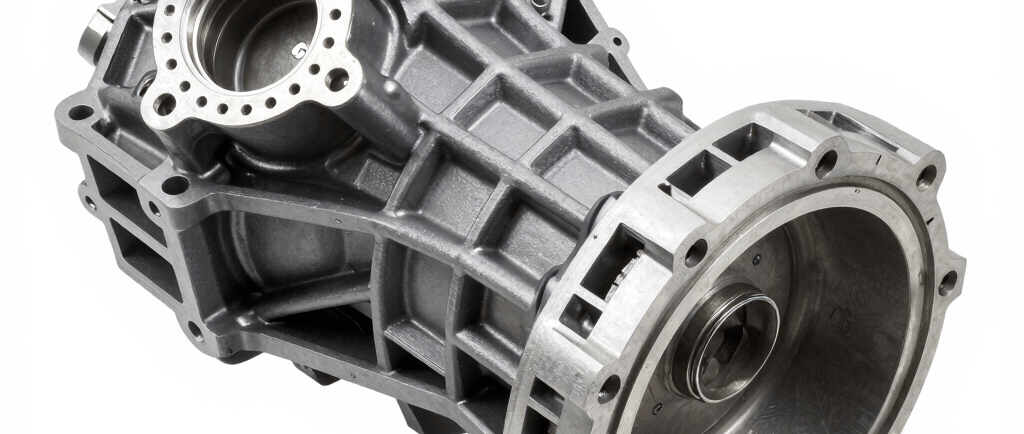
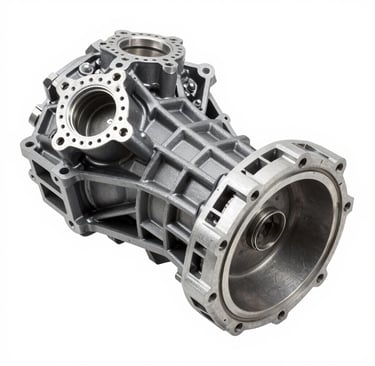
Gearbox 5: The Traditional Manual Transmission Option
In the automobile engineering field, the gearbox 5 is a good and extensively utilized alternative for drivers who want to directly influence the behavior of their car. Whether you're dodging through city streets or cruising on the interstate, a gearbox 5 offers a happy medium of power, efficiency and engagement that many fans still swear by today.
What Is A Gearbox 5
A five-speed manual transmission or gearbox 5 is a kind of automobile gearbox with five forward gear ratios, plus reverse. Unlike automatic gearboxes, which change gears automatically and smoothly, this design allows drivers complete control via a clutch pedal and gear lever. This design has been a standard in automobiles for decades, from little budget cars to sporty versions, providing a simple method to adapt engine power to road conditions.
Some of the important parts inside a standard gearbox 5 are the input shaft, output shaft, countershaft and a set of gears that mesh via synchronizers (synchromesh). The technology provides smooth shifts without grinding, making regular driving more pleasurable. These units have been developed over the years by the manufacturers to be able to manage more torque while maintaining weight and complexity.
5-Speed Manual Transmission: What Drivers Like About It
One of the main benefits of selecting a gearbox 5 is the influence on fuel economy. The gearbox, with its well spaced gear ratios, enables the engine to function in its ideal RPM range, particularly in higher gears. Usually, fifth gear is an overdrive gear . . . it lets you travel along the highway at a lower engine speed, saving petrol. This makes gearbox 5 alternatives popular in anything from everyday commuters to performance focused cars.
A highly tuned five-speed gearbox excels in performance in terms of acceleration and response. The lower gears provide good low-end torque for rapid getaways and the mid-range ratios keep the engine perky while overtaking. Fans typically praise the wonderful mechanical feel, the accurate shift action, and the connection it provides between driver and machine.
Good durability is another plus. Many gearbox 5 units are designed strong, with sturdy housings and durable components that may endure hundreds of thousands of miles with regular maintenance. Routine fluid changes and easy shifting habits go a long way to preserve this vintage transmission.
Gear Ratios And How They Work In A Transmission 5
The key to the versatility of a gearbox 5 is understanding gear ratios. Every gear distributes engine torque differently:
- First gear: High reduction, maximum torque, forceful starts.
- 2nd and 3rd gears: To accelerate and drive in the city best.
- Fourth gear: often a straight drive for a balance of performance.
- Fifth gear: Normally an overdrive gear for relaxed highway cruising and higher fuel efficiency.
In a gearbox 5 this setup is a great compromise between the old four-speed boxes and the modern six-speed or dual-clutch systems. It maintains things basic without giving up too much for contemporary needs.
Modern Relevance and Common Applications
Gearbox 5 is used in a wide number of cars, from hatchbacks and sedans to trucks and some oldies still running today. They’ve been utilized widely in models from Toyota, Honda, Volkswagen, Subaru and others. The five-speed manual is still favored in many circumstances by people converting older vehicles or looking for a more involved experience.
With automatics and electric cars becoming more popular, the gearbox 5 still has its charms. In many situations it costs less to maintain, gives the driver greater input, and has that timeless fun factor. For those renovating project vehicles or just searching for a cost-effective performance option, a search for a decent condition five-speed gearbox may sometimes be a wise pursuit.
Tips to Keep Your Gearbox in Shape 5
Keeping a gearbox 5 in top condition is really rather easy. Use manufacturer suggested transmission fluid, check for leaks periodically, listen for strange sounds during shifts. Clutch wear is common with use therefore change it at the correct period to avoid worse problems. Proper alignment & not driving aggressively also helps bearings & synchronizers last longer.
What’s Next for Five-Speed Transmissions?
Six-speed and multi-gear automatics still dominate new vehicle sales but the gearbox 5 is not going away any time soon. It’s simple, reliable and fun and those attributes will keep it relevant in the aftermarket and enthusiast circles. If you are buying a used automobile or upgrading your existing ride, knowing the qualities of this gearbox might help you make wiser decisions.
To summarize, the gearbox 5 hits the right note in manual transmission design, giving decent performance, reasonable fuel economy and that tactile driving feel many still want. Whether it’s the daily commute or wild back-road outings, it continues to establish its importance in the ever-evolving automotive scene.
If you are contemplating buying a car with a gearbox 5 or upgrading your transmission, do some study on certain models and talk to experts who have experience with these systems. The correct gearbox 5 may change the way you experience the road.
Join our community and stay connected through our social channels.
© 2026. All rights reserved.