
Mechanical vs Electrical Engineering: Understanding the Differences
Understand the differences between mechanical and electrical engineering. Explore their fields, applications, career opportunities, skills, technologies, and how both disciplines shape modern innovation and industry.
ENGINEERING
7/12/20264 min read
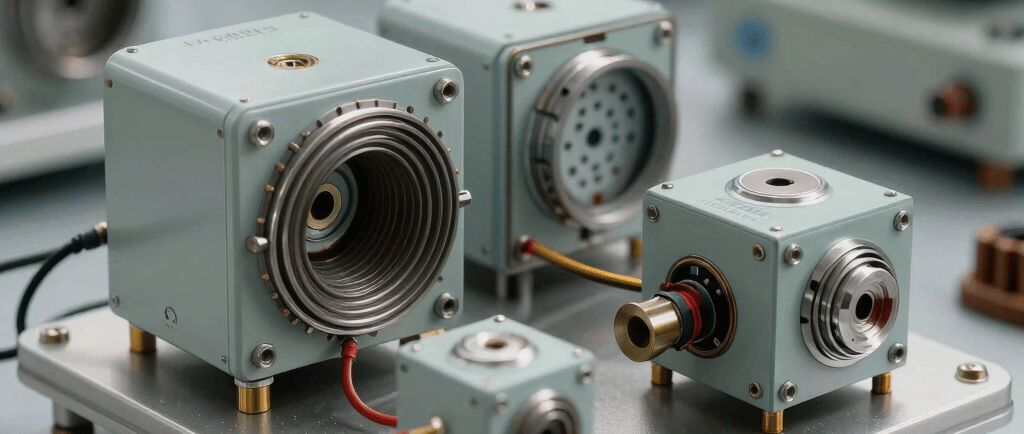
Mechanical Engineering versus Electrical Engineering : Ultimate Guide For Engineers Of Tomorrow
In today’s technology driven environment, choosing the correct technical talent could seem tough. II. Mechanical Engineering and Electrical Engineering are two of the most important and popular areas. Both are vital to innovation, infrastructure and daily electronics, but they approach challenges from different directions. If you are exploring your career possibilities or considering degree programs, or if you’re just curious about engineering occupations, knowing the difference between mechanical and electrical engineering can help you choose what will work best for you and your interests.
General Mechanical Engineering
Mechanical engineering is the branch of engineering that deals with the design, manufacture and maintenance of mechanical systems. This section comprises pieces from microscopic to huge industrial machines. The specialists in the area utilize the concepts of thermodynamics, fluid mechanics, materials science and structural analysis to provide solid solutions.
Examples include autos, aircraft, heating, ventilation and air conditioning (HVAC) systems, robots and industrial activities. Experts in finite element analysis, automotive engineering and sustainable energy efficiency solutions. They design, manufacture and test power generation, turbines, pumps and other complicated assemblies that transform energy into motion.
Key skills include good spatial reasoning, hands on prototyping and knowledge of computer aided design tools (CAD). Mechanical engineers are leading the way in sustainable engineering and green technology, innovating breakthroughs such as electric vehicles, renewable energy systems, and eco-friendly manufacturing processes.
Finding Out About Electrical Engineering
At the opposite end of the scale is electrical engineering - the study of electrical systems and electronics and electromagnetic phenomena. This study topic is concerned with production, transmission and usage of energy. It also includes control systems, circuits, signal processing and embedded systems.
Electrical engineers design and refine electricity grids, consumer electronics, communication networks and sophisticated control technologies. Their work drives contemporary life from mobile phones and computers to medical imaging gadgets and smart grids. The field is still active with new directions including renewable energy (solar and wind integration), electromagnetic applications and mechatronics (the interface with mechanical systems).
Core competencies normally include electronics, microcontroller programming, power systems management and troubleshooting sophisticated control systems. In particular, the increasing expansion of artificial intelligence, Internet of Things (IoT) and digital transformation renders electrical engineering a future-proof profession.
Mechanical Engineering vs. Electrical Engineering: What Are The Differences?
Looking at mechanical vs. electrical engineering you can notice the variations in emphasis and application:
- Physical vs. Energy Mechanical: is about physical motion, forces, materials. Electronics, energy transmission, and information processing are all part of electrical engineering.
- Tools and Methods: Mechanical specialists depend on mechanics, heat transfer and vibration analysis. Electrical engineers study circuit design, digital systems and electromagnetic theory .
- Types of projects: A mechanical engineer may build an engine or a robotic arm , while an electrical engineer could design the control circuitry or power distribution for that project .
- Work environment: Working as a mechanic usually involves more hands-on testing in workshops and out in the field, whereas electrical jobs are usually based in labs, using simulation software and software-hardware interaction.
However, there are significant similarities in the disciplines of robotics, automation and mechatronics between mechanical and electrical engineering. “There are a lot of new developments that the two disciplines have to work on together.
Other differences to observe are the educational tracks, both need a solid background in mathematics and physics but different specialization courses. Both have strong career prospects , with distinct needs across industries - mechanical engineering is needed in manufacturing and automotive, while electrical engineering is highlighted in IT, telecommunications and energy.
Mechanical Engineering vs Electrical Engineering - Similarities
Both need analytical thinking, problem solving under restrictions and continual learning. Engineers are leading the way in engineering innovation in both disciplines solving real world difficulties and enjoying competitive salary comparison results based on their experience and location.
Engineering job paths generally include advanced degrees or certifications. For example, a mechanical engineer might focus on HVAC systems or fluid mechanics , whereas an electrical engineer might focus on signal processing or embedded systems . Project management, teamwork and the ability to adapt to new technology such as AI-powered design tools are helpful for both.
Career Prospects and Future Trends
The demand for skilled professionals in mechanical vs electrical engineering is increasing worldwide. Aerospace, military, healthcare, consumer products, electric vehicles and many other industries are scrambling to hire people who can bridge both realms.
- Manufacturing processes - Mechanical engineering jobs may vary from designing products and quality control to research and development.
- Electrical engineering - may lead to work in systems engineering, software-hardware development, renewable energy projects and sophisticated electronics.
The engineering challenges are also similar: coping with the demands of rapid technological change, meeting sustainability targets and addressing complex multidisciplinary problems. The future of engineering is integration. There is an increasing need for specialists in mechatronics who are professionals in both fields.
Education requirements vary but are often a bachelor’s degree, although many choose to pursue a master’s degree or specialty certifications to further their careers. A thorough background in arithmetic, physics, and computer programming is a must for these areas.
Mechanical Engineering versus Electrical Engineering Which one to choose?
Mechanical or electrical engineering: Choose the one you are drawn to and passionate about. If you prefer to make things you can touch, and see how things move and interact with each other, and are good with materials, then mechanical engineering is undoubtedly the best. If you like electricity, coding, hidden forces and high tech equipment then electrical engineering could be more your thing.
Many students attempt both in intro courses or minors before they decide. conclusion Robotics and automation are hybrid areas where you may merge talents from mechanical versus electrical engineering.
Final Thoughts
Mechanical engineering and electrical engineering are two of the pillars of contemporary technology. They are both significant and different. Explore lucrative engineering careers in thermodynamics and heavy machinery, circuits and intelligent systems with plenty of opportunity for impact and advancement.
As firms move toward smarter, greener and more connected solutions, individuals who understand the ins and outs of mechanical versus electrical engineering will be in the driver seat. For a good choice you should consult with specialist engineers, research programs and think about your long-term goals. We need fresh minds from all technical fields to build a better future.
Join our community and stay connected through our social channels.
© 2026. All rights reserved.