Creating a Personal Learning Plan: A Step-by-Step Guide
Learn how to create a personal learning plan with this step-by-step guide. Set clear goals, identify skill gaps, choose effective learning resources, track progress, and achieve continuous personal and professional growth.
EDUCATION
6/19/20265 min read
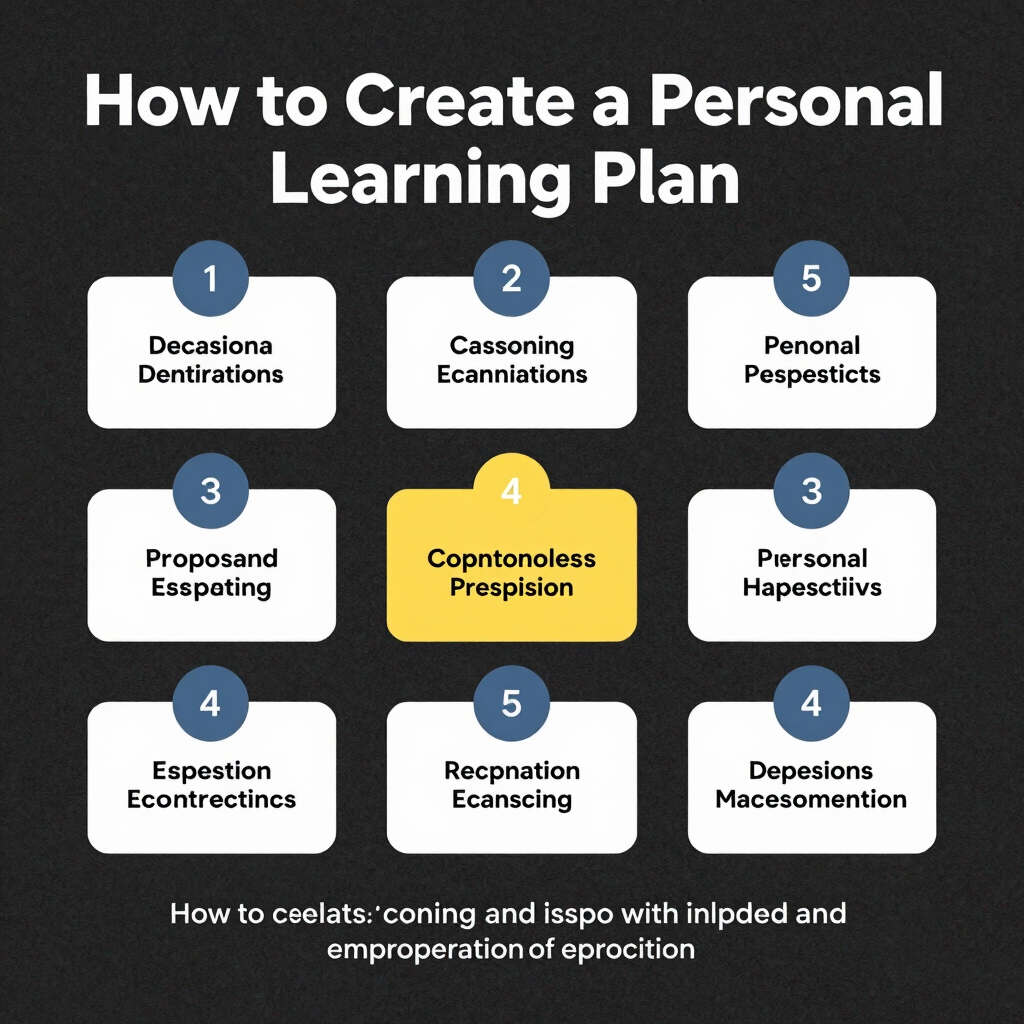
How to Create a Personal Learning Plan: A Step-by-Step Guide to Reaching Your Learning Goals
In our constantly changing, dynamic environment learning is not restricted to classrooms or universities. Whether you are a student, a working professional, an entrepreneur, a freelancer or a job seeker, lifelong learning is the key to success in personal and professional life. But the problem is knowing what to study and when to study and how to keep on track.
This is where learning How to Make a Personal studying Plan may be a gamechanger. A strong learning plan may assist you to set objectives, organise your study routine, measure your progress and achieve significant results.
In this video I will show you How to Make a Personal Learning Plan in order to aid your professional goals, improve your skills and your long term desires.
What’s a Personal Learning Plan?
The personal learning plan is a thorough summary of your learning goals and educational objectives, including resources, deadlines, and how to track your progress. It’s a manual to keep you on the education track for mastering new skills and gaining knowledge swiftly.
It’s a GPS for your learning path. You learn deliberately based on your goals instead of randomly absorbing courses, books, instructional videos and tutorials.
Why You Need a Personal Learning Plan
Before we go into How to Create a Personal Learning Plan, it’s important to understand why it’s important.
Ask for help to build a learning style that works for you:
State precise learning goals
Enhance time management abilities
Boost motivation and focus
Monitor learning progress
Spot areas for improvement
Increase efficiency
Learn skills to go forward in your career
Cultivate a habit of lifelong learning
Accomplish professional development goals
Increase information retention
A lot of students struggle with consistency and without a plan they abandon their learning goals.
Step 1. Determine What You Want to Learn
Creating a Personal Learning Plan
Decide what you want to achieve. This is the first step:
What would you want to learn?
What do I need to learn?
Why am I being asked to learn this?
What does this mean for me professionally or personally?
Examples of learning goals are:Know about digital marketing…
Project management
Communication skills
Improve your coding skills
Certification in the profession
To learn a new language
Development of leadership skills
You know what you desire. Establish goals.Step 2: Evaluate Your Existing Skills
Before you begin your studies, examine how much you already know.
Self-evaluation of :Strengths at Present
Opportunities for Growth
Knowledge gaps
Technical Skills
Knowledge of the industry
People skills
It is a good idea to know where you are starting from, so that you can establish realistic objectives for your learning, and not spend time on things you already know.Step 3: Write SMART Learning Objectives
One of the finest things you can do is adopt SMART objectives when studying How to Create a Personal Studying Plan.
Learning objectives:Limited Editions
Measurable.
See also
Timely
Take for example:
Instead of saying:
I would want to major in graphic design.Say: " I'm taking a graphic design certification course and creating five portfolio pieces in three months.
SMART goals allow you to measure your progress and create more responsibility.Step 4: Create a Learning Path
A learning roadmap breaks your goals down into bite-sized chunks.
E.g:
Month 1:Know Principles
Teachings Full Introduction
Month 2.Development of basic skills
Projects to practice
Month 3.Get advanced knowledge
Evaluate
Month 4:(1st month on-camp) Build a portfolio
Applying skills in real-world contexts
It keeps you from being overwhelmed and it provides you a feeling of direction.Step 5. Choose your learning materials
When you are using How to Create a Personal Learning Plan it is important that you use good learning resources.
You may want to try:Online Courses
Education sites
Webinars
Workshop
Books
Mentoring Program
Trade Blogs
Podcast
How To’s Youtube
Professional Qualifications
There are many of enjoyable products out there too, and they help you enhance knowledge.Step 6. Establish a Regular Study Schedule
It’s not about how hard you go, it’s about how consistent you are. That’s what makes a difference in skillbuilding.
Establish a study routine that works for you.
I have been teaching for 4 years now.Exapmple:
30 minutes a day
Every night for 1 hour.
Teach courses on weekends
Review lessons once a week
Set aside study time that’s just for you. Make it a priority.
Repeating something frequently helps to create long-term learning habits and helps to boost memory of knowledge.Step 7: Record Your Learning Progress
Monitoring progress is one of the most underappreciated sections of How to Create a Personal Learning Plan.
Monitor:Certifications Earned
Courses Taken
Capabilities Built
Project Milestones
Scoring assessment
Training time
You will notice progress and know where you need to invest more time and will be inspired by it.
Helpful tools:Learning Journal
Digital planner
Goal-tracking applications
Tools of productivity
Excel sheets
Step 8: Utilise your experience
Unused information is eventually lost.
To aid increase learning results:Complete projects
Roll up your sleeves with practical workshopsTake part in challenges
Volunteer related
Create a portfolio
See all
One of the finest methods to learn is to gain hands on experience and practise learning.Step 9: Periodically review and update your strategy
As your goals change over time, your approach to learning should change as well.
Select Review Schedule Monthly or Quarterly:Milestones achieved
Skills developed
Directions in Education
Problems encountered
New career goals
Your training plan will be kept up-to-date and effective with regular updates.Common mistakes Common issues in learning
How to create a personal learning plan
Goals that are unattainable
Burnout may occur when you attempt to learn everything at once.No Tracking
You can't measure something you don't define and it's hard to remain motivated.
Irregular
It is better to study little by little every day than to study intensively now and then.
Resources Over-selected
Instead of attempting to take in everything you see, focus on a few high-quality nutrients.Dead Knowledge
You need practical experience to learn skills long term.
How a customised learning plan may benefit you
Advantages of structured learning systems are:Greater professional progression
Greater security Better job prospects
Higher productivity
Skill growth is faster
More personal discipline
Better decision making
Educational achievement
Attitude of lifelong learning
Competitive advantage in career
A learning plan may help you remain purposeful and productive whether you are working on personal improvement, pursuing promotion opportunities or preparing for a new career.Final Thoughts
One of the most crucial skills to acquire in today’s information-driven job is developing a personal learning plan. A strong learning strategy can help you to: Set objectives Gather resources Track meaningful progress Manage your time well.
Great learning is not accident it is the result of preparation perseverance and action. Decide what you want to accomplish. Make a plan. Acquire the materials you need. Make an assessment.
Use How to Create a Personal Learning Plan now to reach your educational objectives and learn new skills and more chances for personal and professional success faster.
Join our community and stay connected through our social channels.
© 2026. All rights reserved.