
The Importance of Surveys for Brands: Understanding Consumer Insights
Discover the importance of surveys for brands and how consumer insights drive success. Learn how market research, customer feedback, data analysis, and surveys improve decisions, products, and brand strategies.
BUSINESS
7/11/20263 min read
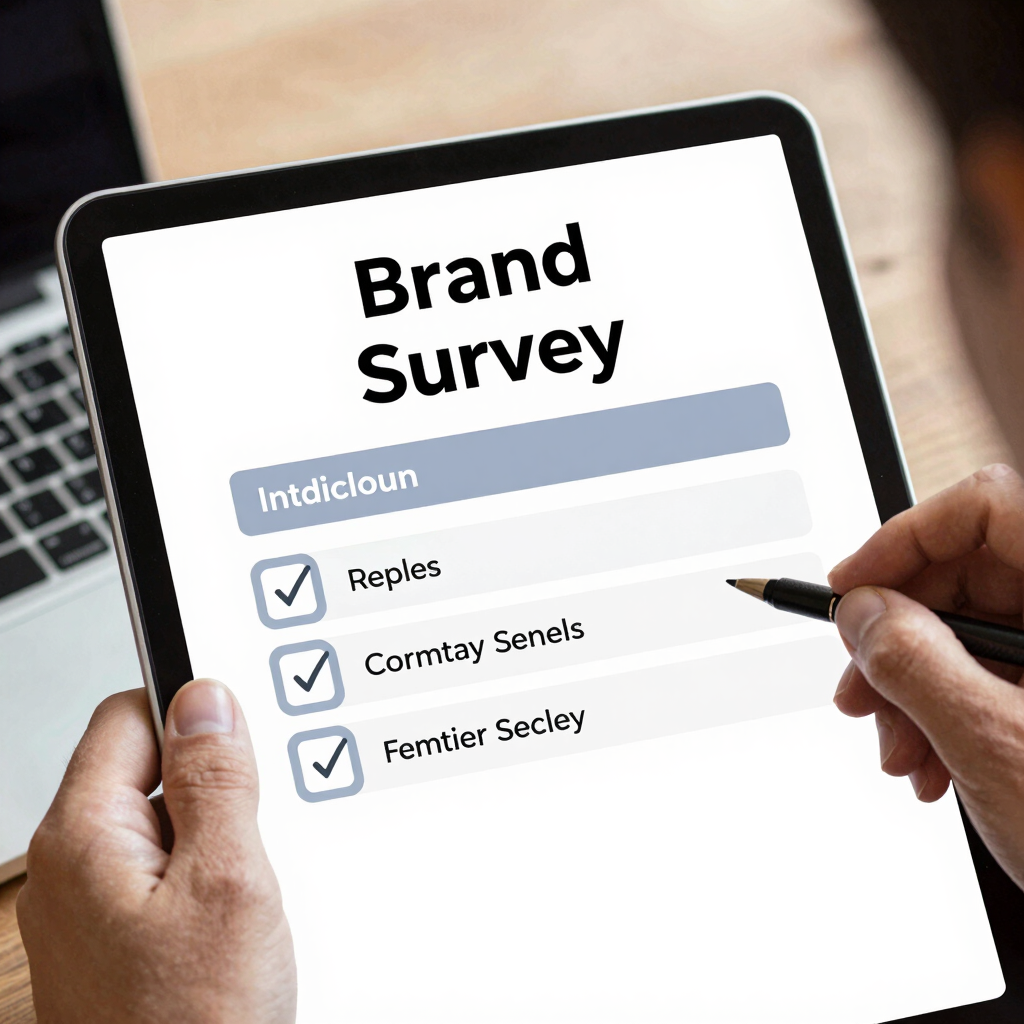
Survey Results: How Customers Perceive Brands
As client tastes fluctuate in the ever-changing terrain of today’s competitive market, firms are always trying to discover ways to stay one step ahead. Brands surveys continue to be one of the greatest ways, a direct conduit to understand what customers truly feel, need and expect. Whether it’s a startup launching its first product or a mature company rebranding itself, brand surveys provide helpful insights that lead to better decisions across the board.
Why do companies ask clients for feedback via surveys
“Listening is what customers expect from companies today. And that’s Company Surveys. They get real input at scale from clients. Marketers don't guess what will last. “They ask structured questions and get the insights from the customer that reveal the underlying patterns of behaviour and expectations.”
For instance, bespoke market research enables businesses to measure customer satisfaction, quantify brand loyalty and identify possibilities for improvement within the customer experience. This information is crucial for product development. Features may be tuned based on real-world experience, not conjecture. Brand surveys are good for turning buyers into vocal advocates and long-term brand image builders.
Types of surveys for a brand
There are several methods in which firms may develop their research approach. Internet surveys are still quite popular, since they are cheap and can be sent to big audiences swiftly. Email surveys are a simple way for firms to reach out to their existing clientele. What are your audience using social media for? Where do they hang out already? Social media polls give you immediate feedback. Deeper approaches such as focus groups can add valuable qualitative information that enriches the quantitative data. A popular way to gauge customer retention and brand advocacy is via NPS or Net Promoter Score questionnaires. Real-time feedback during or soon after key encounters is also being collected using mobile questionnaires.
Other possible forms:
- Post-transaction customer satisfaction surveys
- Internal health monitoring of brands via employee feedback surveys
- Questionnaires to analyze competition
- Demographics & Behavior Insight Tools
Both have reasons for being. They assist companies to gather quantitative data ( numbers & ratings ) and qualitative data ( stories & explanations ).
Why Surveys Are Important For Brands: Grow Your Business
For brands, the importance of regular surveys is considerably more than just gathering opinion. For many firms that are actively listening, there are significant advantages in a number of key areas including;
- Better Customer Retention: Discover pain spots early to boost brand interactions.
- Better marketing: When you listen to your audience, you can design better campaigns and personalize experiences.
- Opportunities for innovation: Trends identified in surveys may frequently be a spark for new ideas for products or improvements in services.
- Sales growth: Better understanding of purchase decisions by brands, and better products and advertising.
These surveys also provide data for a more comprehensive examination of the competitor situation. It helps firms monitor their performance and identify new trends and change techniques before they become widespread. This provides strong feedback loops to make sure operations are flexible and client driven.
How to Run Surveys That Actually Work For Your Brand
There are several essential rules that firms need to follow with to gain the best from brand surveys:
Ask straightforward, short inquiries that respect people’s time. Combine multiple choice with open-ended formats. Achieve a balance between ease of analysis and increased understanding. Timing is also important. You’ll get higher response rates if you send surveys out at natural touchpoints, i.e. after a purchase or a customer service interaction or product testing. Anonymity can also produce more honest feedback, especially on sensitive topics such as brand image. Testing the surveys with small groups initially helps identify any deceptive language or technological difficulties. And last, it’s necessary to do something with the results. Their input builds trust and speaks to your customers with the genuine results.
Many survey solutions come with analytics, automated reporting and can connect with customer relationship management systems which may make the entire process a lot simpler for marketing and product teams.
The Future of the Brand Survey
As technology moves forward, brand surveys grow more sophisticated. Interactive forms keep people engaged and AI allows you look at the results quickly. The future is not periodic marketing. It is about listening forever, developing a permanent relationship to clients across a wide variety of media.
The potential is enormous for companies who use surveys as strategic assets, not as a tick-the-box activity. They develop better emotional connections with customers, giving richer experiences and being viewed as companies that respond and focus on the consumer.
Your Own Surveys
One of the simplest methods to achieve real development is to employ brand surveys . Whether you're establishing your brand, introducing a new product or service, or simply want to interact more with your audience. The problem is knowing what to ask the right people at the right time - and listening to the replies.
Companies don’t simply sell products or services, they make decisions based on customer data. They foster lasting ties of understanding and trust. In a world when consumers have more choices than ever, it's usually the connection that makes the difference.
Curious about what your customers are saying? Brand surveys might be the missing strategic piece in your growth strategy.
Join our community and stay connected through our social channels.
© 2026. All rights reserved.