
Understanding Archaeology: An Insight into the Past
Explore the fascinating world of archaeology and uncover insights into the past. Learn about ancient civilizations, artifacts, excavation methods, historical discoveries, and how archaeology reveals human history.
DISCOVER
7/9/20264 min read
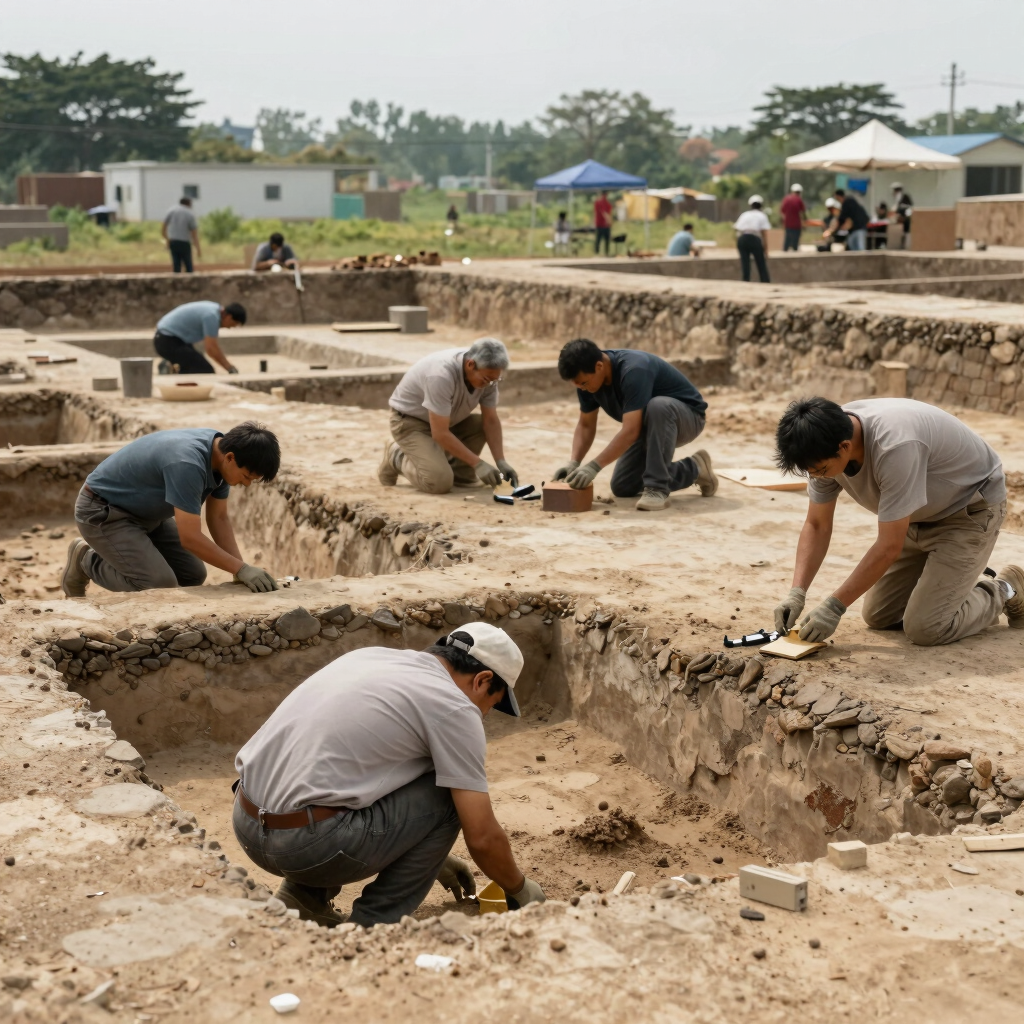
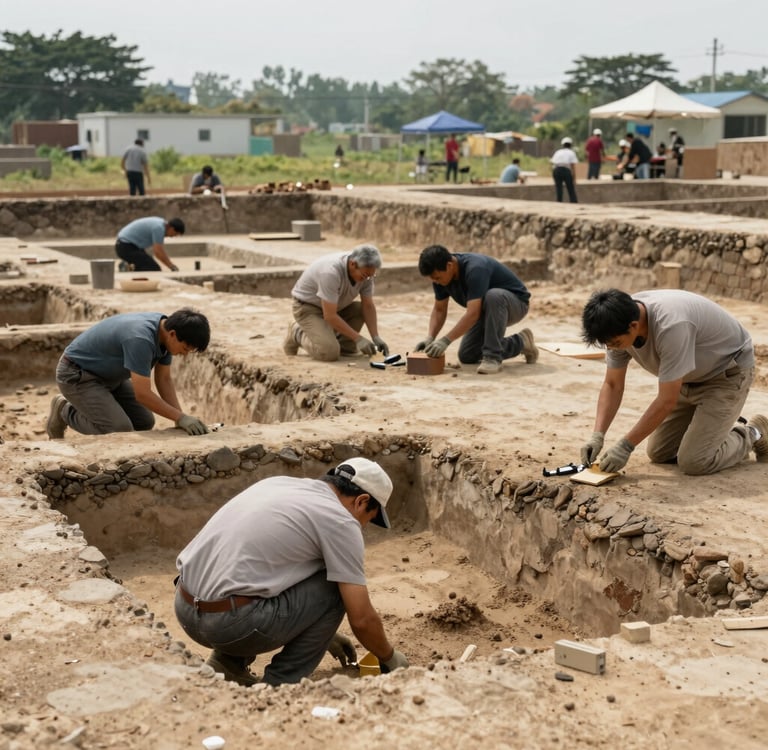
Archaeology What does Archaeology mean? Discover the Fascinating World of Archaeology
Ever wondered what a forensic chase is all about? Archaeology is the scientific study of human history and prehistory through the systematic recovery and analysis of material remains. When people question what is an archaeological inquiry , they generally want to know how professionals find evidence of the past that is usually not recorded in written documents . It’s a mix of science, history and a little of detective work, piecing together tales buried in the earth for centuries.
Archaeological Survey: The Fundamentals
To grasp what is an archaeological method, we must see it as a systematic technique of studying ancient human activities. It’s not like archaeologists can simply walk about and dig up whatever they want. There are systematic methods of identifying, documenting, and researching the evidence of long-vanished cultures. The phrase is typically used to refer to digging procedures , when groups of people meticulously take away layers of earth to expose artifacts, relics and structural remnants.
Historic landmarks, ruins and historical civilisations are some of the fundamental traits that provide us concrete connections with our forebears. From pottery fragments of daily life to skeletons that narrate stories of health and migration, every discovery enhances our knowledge of human evolution. What is an archeological record but a jigsaw to be constructed using evidence such as inscriptions, tools and environmental data?
The Adventurer and the Archaeologist of Today
When we talk about an archaeological career, it is much more than adventure. Experts in this profession do fieldwork at many digs using anything from basic trowels and brushes to high-tech ground penetrating radar and 3D scanning. They use things like stratigraphy – the study of layers of earth – to build up a chronology and work out how old things are and the order they occur in.
Site mapping and grid systems guarantee that nothing is missed . Carbon dating and other scientific approaches may establish time lines . The provenience (precise location and surroundings) of a thing tells you more about the object itself. Context is really important. Archaeologists working on extremely old times typically collaborate with allied subjects such as anthropology or even paleontology.
Archaeological Methods and Instruments
“Archaeology has changed a lot in recent times. Traditional archaeological survey is still the thing, wandering around fields, looking at old maps and finding surface artifacts. But today’s professionals mix them with lab work, computer modeling and multi-disciplinary teamwork.
Teams concentrate on preservation — how to protect critical material for the future. Millions of objects found by meticulous archaeological work are in museum collections across the globe. These studies track cultural evolution from Neolithic villages to Bronze Age complexes to notable sites such as Mayan ruins or Indus Valley cities.
Why is Archaeology Important for Cultural Heritage?
To understand why archaeology is significant on a larger scale, we must first grasp what is archaeology. These investigations are vital for the conservation of cultural heritage from threats such as urban sprawl, climate change and theft. Archaeology helps us understand ancient history better by finding buried treasures – not only gold, but also evidence of the social structures, trade routes and belief systems of those periods.
It is also connected with tourism and education. Every year millions of visitors visit historical sites, which helps local economies and inspires reverence for the past. Repatriation and indigenous rights are emerging as a major feature of ethical archaeological practice.
Popular discoveries that changed our view of the past
Discoveries that changed everything have addressed questions regarding what constitutes an archaeological breakthrough throughout history. People continue to be amazed by Howard Carter's discovery of Tutankhamun's tomb, the excavation of Pompeii following the volcanic disaster and the continuing work at Machu Picchu. Each site is a lesson in human inventiveness, resilience and adaptability.
Even underwater archaeology, the study of shipwrecks and sunken towns, enables us to understand. Today remote sensing is capable of identifying possible places ahead without disrupting and thereby conserving delicate environments.
Problems of Archaeological Research Today
While the technology is improving, it’s not without challenges for practitioners. Funding challenges, political instability in crucial regions and the constraint of time due to environmental changes are taking a toll on operations. Responsible excavation is a balancing act between discovery and conservation, so that future generations may still marvel at what is an archeological puzzle still unearthing.
The public's engagement is also growing significant. With educational outreach, citizen science initiatives and virtual reality reconstructions, archaeology is more accessible than ever.
Discover more or get involved with Archaeology
There are so many resources whether you are looking for a career in it or just captivated by the topic. Universities provide programs for this purpose and there are organizations that give chances to volunteers and amateurs, such as the Archaeological Institute of America. Sometimes digs are available to the public. Professionally supervised.
What is a archaeological expedition? It’s about inquiry and patience and yes, the excitement of catching up with those who came before us. From tiny pieces of pottery to huge ruins, everything helps us to comprehend the human tale a little better.
In conclusion, the study of what is an archaeological field shows a living science, always evolving with new technologies and ideas. It tells us that a living history lies very much under our feet, waiting for careful hands and curious minds to bring it back to light. Academic research, volunteer labor, and just visiting museum collections and historic sites may teach us a great deal about our common human history.
Join our community and stay connected through our social channels.
© 2026. All rights reserved.